-

Contact lenses in sports – benefits and possible risks
Contact lenses offer a secure fit, do not restrict the field of vision, do not fog up, and are not obscured by water droplets. Are they the optimal solution for athletes? We’ll clear that up!

-
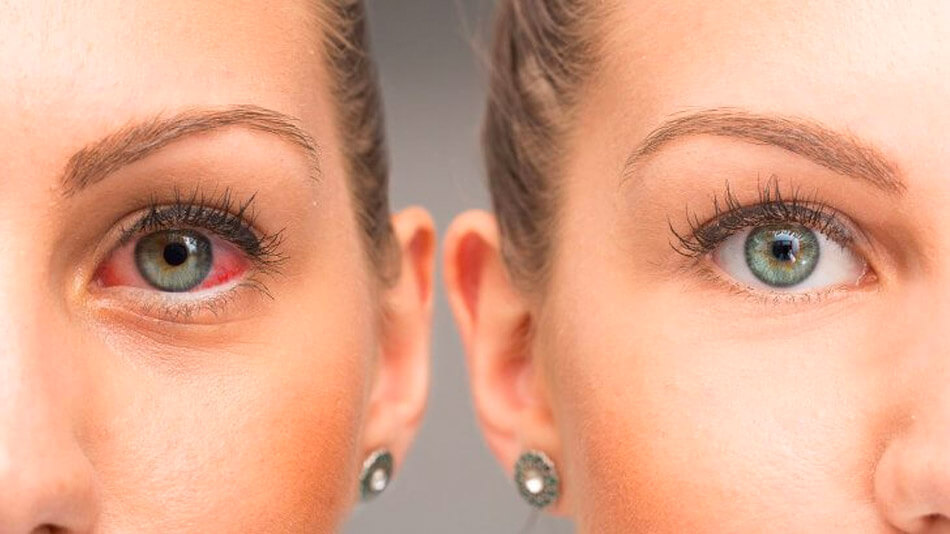
Conjunctivitis: Are you particularly at risk as an athlete?
Bacterial conjunctivitis is more common among team athletes because close contact with others makes viruses easier to transmit. In the following article, we explain how conjunctivitis can be alleviated or prevented altogether.
-

Prescription sports glasses – 5 tips for buying the right pair
Although vision contributes significantly to safety during sports, around 40 percent of people with visual impairments train without appropriate sports glasses. Read on to learn what to look for when buying and what alternatives are available!
-

The most common eye diseases in 2026: Dr. Bányai reports
Many people are affected by various eye diseases. This article explains which ones are particularly common.
-

Eye pressure: What to do if it’s too high? Doctor-medic Bányai explains
If you feel pressure in your eyes or experience eye pain, it can have many different causes and, most importantly, serious consequences. Learn more in the article!

-

Blurred vision? Here’s what ophthalmologist Dr. med. Bányai recommends.
Have you ever noticed, after getting up or at some point during the day, that your vision becomes briefly blurred or that you feel pressure in your eye? Here’s what you can do about it and what causes blurred vision!
-

Swollen Eyes
The causes of swollen eyes vary widely. In most cases, simple home remedies help. Find out when you should still consult an ophthalmologist!
-

Visual disturbances – causes, symptoms, and risks explained by Dr. med. Bányai
Visual disturbances are changes in optical perception. These include visual field defects, flickering or flashing sensations, and double vision. Sometimes vision problems are harmless, but when should you contact an ophthalmologist?
-
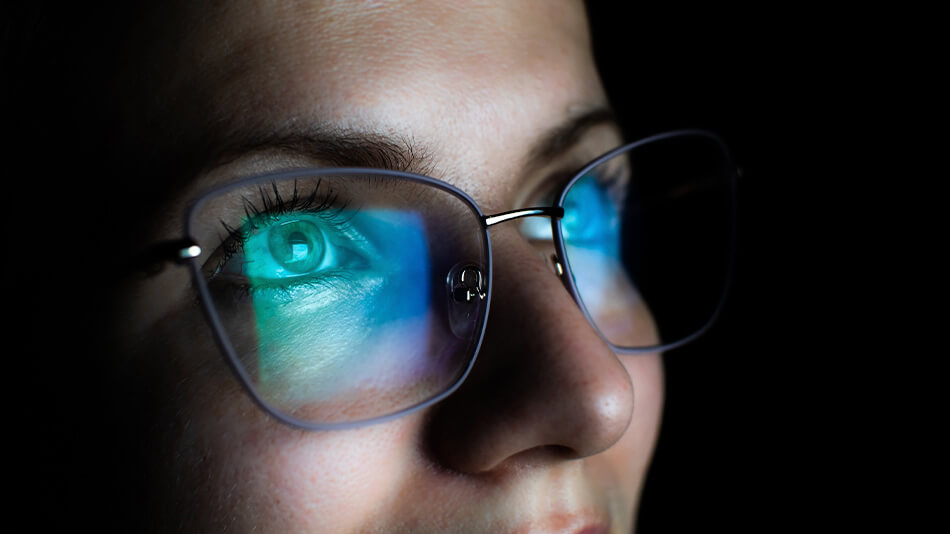
Blue-light-filtering glasses – sensible or just a fashion trend?
Long hours spent working on computer screens in a home office, late-night gaming, and scrolling through Instagram, TikTok and so on in your free time. This can not only be extremely exhausting but also put your eyes at risk, especially from exposure to harmful blue light. Read on to find out what you can do…
-

Multifocal glasses — why do I need them? Doctor-medic Bánjai explains
Progressive lenses provide seamless vision at varying distances. They correct nearsightedness, farsightedness, and presbyopia, allowing you to see clearly well into old age. Are you familiar with our longest-lasting solution?
-
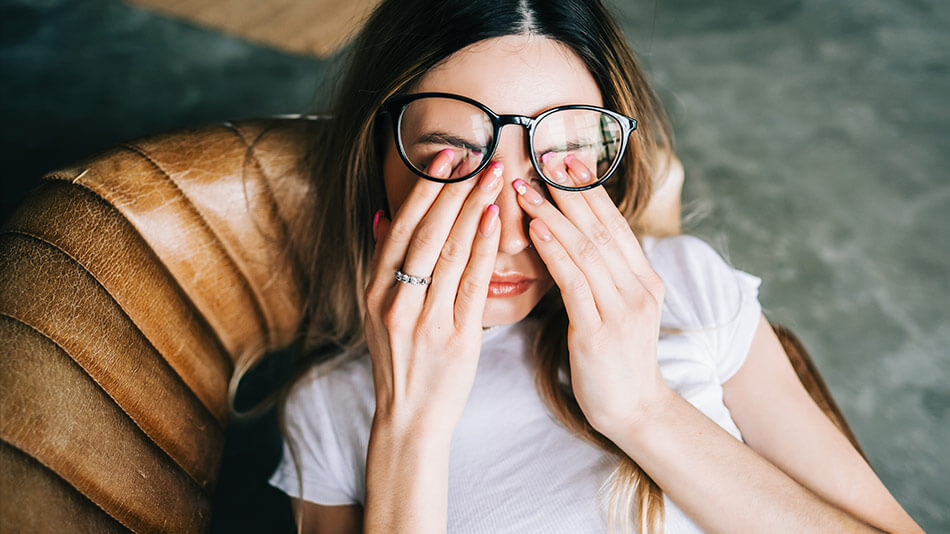
Does rubbing your eyes cause keratoconus? Dr. med. Bányai explains.
Do you find yourself rubbing your eyes more often? Chances are you do—rubbing your eyes is a natural reflex when they itch. When you’re tired, have dry eyes, or suffer from allergies, many people rub their eyes out of habit. Beware of bacteria—read more now!
-
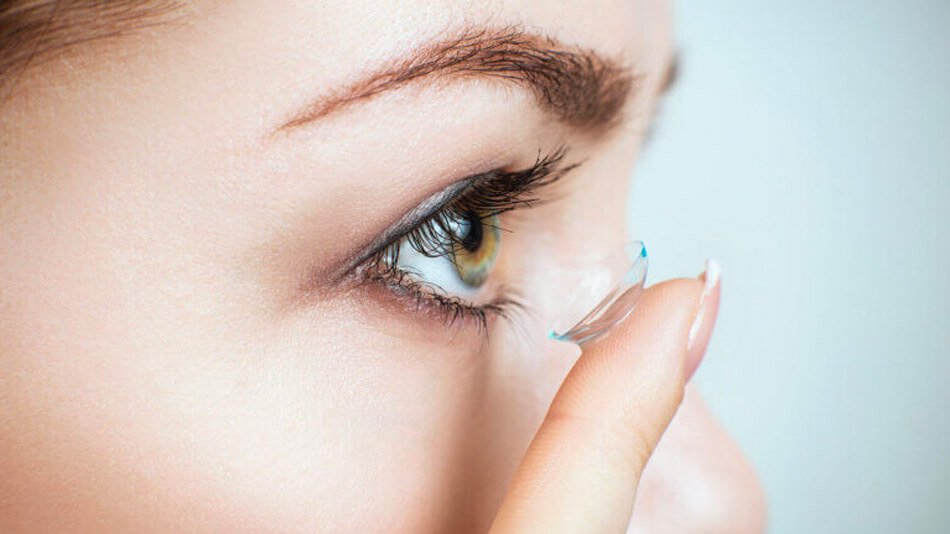
Contact lenses – Tips for comfortable, symptom-free wear from Doctor-medic Bányai
In the following article, we will introduce you to the visual aid in more detail and explain its properties, applications, and potential issues related to contact lenses. You will also learn why many people today choose to have laser eye surgery.
-

Reading glasses – 10 things to keep in mind
Having trouble reading? Are letters getting harder to make out and becoming blurry? This could be caused by presbyopia. In this article, you’ll learn everything about the right visual aid, what to look out for, and which alternatives are available.
-

The number of spectacle wearers is increasing sharply
Short-sightedness (myopia) is increasing, particularly among people with higher levels of education. In some countries, the rise is as high as 80 percent. What are the solutions? Find out more in the article!
-
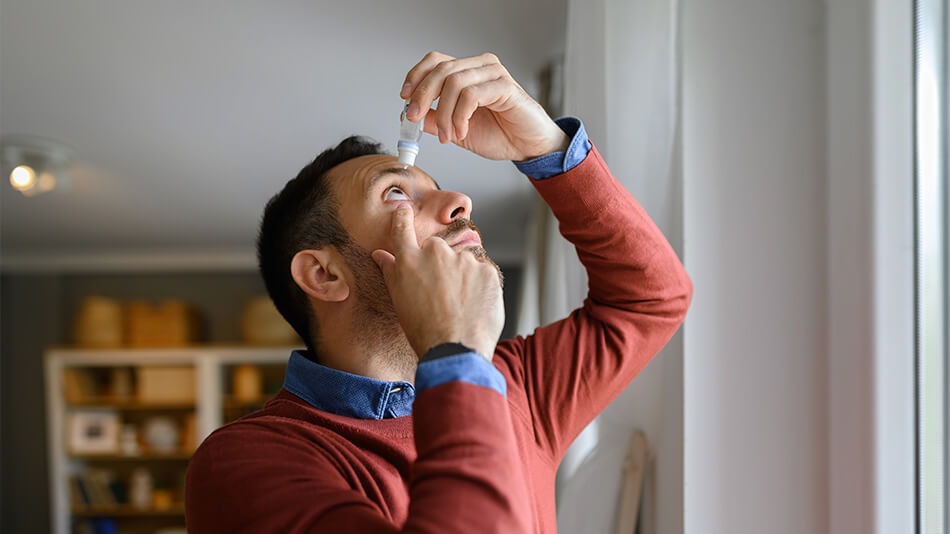
Dry eyes — what to do? Doctor-medic Bányai explains
Dry eyes can usually be treated simply and effectively; treatment is recommended if symptoms are bothersome. Be cautious if tear production is insufficient. Find out when you should see an ophthalmologist!