
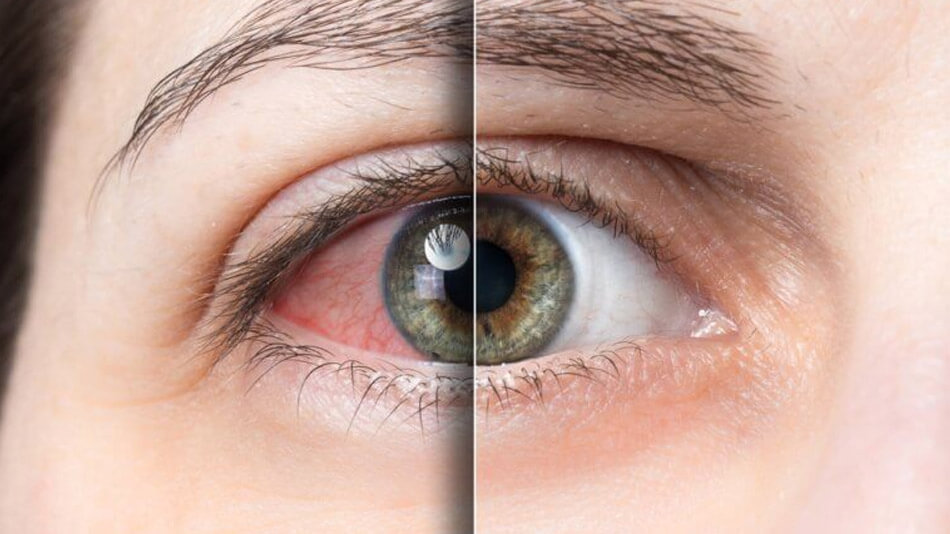
Conjunctivitis — Ophthalmologist Bányai explains

Das ist ein sehr umfassender medizinischer Ratgebertext. Bei der Übersetzung von Krankheitsbildern wie der Bindehautentzündung ist es wichtig, zwischen der medizinischen Fachsprache (Conjunctivitis) und dem umgangssprachlichen Begriff (Pink Eye) zu unterscheiden.
Hier ist die professionelle Übersetzung für Ihren Blog:
Conjunctivitis: Causes, Symptoms, and Treatment
Conjunctivitis, commonly known as “Pink Eye,” is a frequent eye condition that affects both children and adults. It is an inflammation of the conjunctiva—the thin, transparent mucous membrane that covers the white part of the eyeball and lines the inside of the eyelids.
In this article, ophthalmologist Doctor-medic Bányai takes a detailed look at the causes, symptoms, diagnosis, and treatment options for conjunctivitis.
What is Conjunctivitis?
Conjunctivitis is the inflammation of the membrane covering the eye. Usually, only one eye is inflamed initially, but the infection often spreads to the other eye through smear infection (touching the eyes). It can be caused by bacteria, viruses, allergens, or irritants.
Types of Conjunctivitis
There are three primary types:
- Infectious Conjunctivitis: Caused by bacteria or viruses; highly contagious.
- Allergic Conjunctivitis: Triggered by allergens like pollen, dust, or pet dander.
- Chemical Conjunctivitis: Caused by irritants such as smoke, chemicals, or certain eye drops.
1. Bacterial Conjunctivitis
This is a highly contagious form of infection.
- Symptoms: Redness, tearing, itching, a “gritty” sensation, and typical yellow-green discharge that often causes the eyelids to stick together overnight.
- Causes: Common bacteria include Staphylococci, Streptococci, or Haemophilus influenzae. It spreads through direct contact, shared towels, or contaminated contact lenses.
- Treatment: Usually involves antibiotic eye drops or ointments. It is crucial to maintain strict hygiene (hand washing, separate towels) to prevent spreading.
2. Viral Conjunctivitis
Also highly contagious and often caused by adenoviruses or, in some cases, herpes viruses.
- Symptoms: Redness, intense itching, a watery discharge, and often a foreign body sensation.
- Treatment: While viral infections often must run their course, severe cases may require antiviral medication. Antibiotics do not work against viruses.
3. Allergic Conjunctivitis
A hypersensitive reaction to external triggers like pollen (hay fever) or animal hair.
- Symptoms: Intense itching, redness, and watery eyes. Unlike infectious types, there is no pus or thick discharge.
- Treatment: Avoiding the allergen, using antihistamine eye drops, or oral medications.
Common Symptoms at a Glance
Depending on the cause, symptoms may include:
- Red eyes (Pink Eye)
- Burning or pain
- Increased tearing or discharge (pus/mucus)
- Light sensitivity (Photophobia)
- Blurred vision
- Swollen eyelids
Diagnosis and Treatment
A thorough examination by an ophthalmologist is necessary to identify the exact trigger. Treatment is cause-specific:
- Infectious: Antibiotics (for bacteria) or supportive care (for viruses).
- Allergic: Antihistamines or mast-cell stabilizers.
- Chemical: Immediate flushing of the eye and removal of the irritant.
Home Remedies and Tips
- Cool Compresses: A clean, cold washcloth can soothe irritation.
- Hygiene: Wash hands frequently and never share towels or makeup.
- Contact Lenses: Stop wearing lenses immediately and switch to glasses until the infection has completely cleared.
- Note on Chamomile: While popular, chamomile tea compresses can sometimes irritate the eye further or cause allergic reactions; use with caution.
When should you see an ophthalmologist?
You should seek medical advice if you experience severe pain, a sudden decrease in vision, extreme light sensitivity, or if symptoms do not improve after 48 hours.
Comparison: Bacterial vs. Viral vs. Allergic Conjunctivitis
Conjunctivitis is a common eye condition that can be caused by bacteria, viruses, allergens, or irritants. Timely diagnosis and treatment by an ophthalmologist are essential to avoid complications and reduce the risk of spreading the infection. To protect yourself and others, it is vital to follow good hygiene practices and avoid close contact with infected individuals.
FAQs
Is Conjunctivitis Contagious?
Yes, infectious conjunctivitis can be highly contagious.
How can I prevent conjunctivitis?
Good hygiene practices, such as regular hand washing, avoiding close contact with infected individuals, and the proper cleaning and storage of contact lenses, can significantly help reduce the risk of conjunctivitis.
Can conjunctivitis go away on its own?
Yes, in some cases, conjunctivitis can resolve on its own. However, it is essential to see an ophthalmologist to avoid potential complications.
About Doctor-medic Liliana Bányai
Doctor-medic Bányai is a highly experienced ophthalmologist and a leading expert in eye care based in Stuttgart and Karlsruhe. She possesses years of experience in the diagnosis and treatment of eye conditions, including conjunctivitis. As a member of the German Ophthalmological Society (DOG), she is deeply committed to patient education and the prevention of eye diseases. Furthermore, she is recognized as one of Germany’s top surgeons for laser eye surgery.
Verfasst von
Alle Infos zum Augenlasern – direkt in Ihr E-Mail Postfach!
Folge uns