Symptoms of retinal detachment – see an ophthalmologist!

Jährlich müssen rund 30 000 Menschen in Deutschland ins Krankenhaus, um dort eine Netzhautablösung behandeln zu lassen. Die meisten Patienten sind älter als 50 Jahre.
Beim Auftreten von diesen akuten Symptomen sollten Sie sich dringend auf Netzhautablösung testen lassen:
- Blitze
- Rußregen
- schwarze Flecken
- dunkler Vorhang sehen
- akute Sehverschlechterung
- Schlag aufs Auge
Sollte eine Netzhautablösung festgestellt werden, ist je nach Schweregrad des Defektes eine Lasertherapie der Netzhaut oder eine Netzhautoperation notwendig. Eine schnelle Behandlung spielt für die Prognose einer Netzhautablösung eine wichtige Rolle.
Es handelt sich bei solchen Symptomen immer um Notfälle, die schnellstmöglich erkannt und behandelt werden müssen, um Spätfolgen zu vermeiden. Erfahren Sie im folgenden Beitrag, wann die Gefahr einer Netzhautablösung besteht, wie sie verursacht wird und was es für Behandlungsmöglichkeiten gibt.
Symptome Netzhautablösung – das sind erste Anzeichen
Bei einer beginnenden Netzhautablösung sehen Patienten oft alles verzerrt. Außerdem können Blitze, Schatten oder auch umher schwirrende Flecken vor den Augen auftreten, die an einen Mückenschwarm oder Ascheregen erinnern können.
Ist die Netzhaut am Punkt des schärfsten Sehens bereits abgelöst, kann der Mensch nur noch helle und dunkle Bilder unterscheiden. In der Regel klagen die Patienten bereits über Ausfälle im Gesichtsfeld. Dabei fällt das Sehvermögen in bestimmten Regionen komplett aus.

Betroffene Patienten berichten meistens, dass sich dabei ein schwarzer Schatten langsam im Gesichtsfeld ausbreitet. Kommt es zu so einem Gesichtsfeldausfall, ist dies ein eindeutiges Zeichen für eine akute Netzhautablösung und es besteht dringender Handlungsbedarf.
Je nachdem, was die Netzhautablösung verursacht, können diese Symptome alle gemeinsam oder auch einzeln auftreten. Da unterschiedliche Bereiche der Netzhaut betroffen sein können, kann auch die Stärke der Symptome variieren.
Was mache ich, wenn diese Symptome auf mich zutreffen?
Treten erste Symptome einer Netzhautablösung auf, ist dies ein augenärztlicher Notfall, der sehr ernst zu nehmen ist. Wird die Diagnose nicht rechtzeitig gestellt und die Netzhautablösung nicht durch eine Operation behandelt, kann es zur Erblindung des betroffenen Auges kommen.
Was kann ich also bei einer Netzhautablösung tun? Informieren Sie daher beim Auftreten entsprechender Symptome sofort einen Augenarzt und lassen sich auf Netzhautablösung testen.
Was können die Ursachen für eine Netzhautablösung sein?
Es gibt verschiedene Arten der Netzhautablösung, welche sich vor allem in ihrer Ursache unterscheiden.
Rissbedingte (rhegmatogene) Netzhautablösung
Die häufigste Ursache für eine Netzhautablösung ist ein Netzhautloch oder ein Riss in der Netzhaut, was meist passiert, wenn der Glaskörper im Laufe des Lebens schrumpft.
Es bilden sich Löcher in der Netzhaut, durch die Flüssigkeit aus dem Glaskörper zwischen die Netzhaut und die darunterliegenden Schicht läuft. So löst sie sich mit der Zeit ab. Man bezeichnet diese Form als rhegmatogene, also rissbedingte Netzhautablösung.
Exsudative Netzhautablösung
Eine weitere Form ist die sogenannte exsudative Netzhautablösung. Hierbei löst sich die Netzhaut, weil Flüssigkeit nicht aus dem Glaskörper, sondern aus Gefäßen der Aderhaut austritt. Ursache hierfür können Entzündungen im Auge sein oder in seltenen Fällen auch ein Tumor. Diese Form der Netzhautablösung kommt aber nur sehr selten vor.
Traktive Netzhautablösung
Die dritte Form wird als traktive Netzhautablösung bezeichnet. Sie entsteht, wenn Glaskörpergewebe oder Netzhautschichten vernarben. Ausgelöst wird diese Art häufig durch Diabetes oder auch in Folge einer Frühgeburt.
Stress als Ursache für Netzhautablösung
Stress kann verschiedene Auswirkungen auf den menschlichen Körper haben und so auch das Auge betreffen. Bei einer Erkrankung der Netzhaut kommt es u.a. durch ein erhöhtes Stressniveau zu Augenproblemen.
Bei starkem Stress steigen Hormone wie Cortisol und Adrenalin, aber auch der Blutdruck in der Regel an. Dadurch können Risse und kleine Löcher in der Aderhaut entstehen. Durch diese kann Flüssigkeit unter die Netzhaut fließen und sie abheben oder sogar ganz ablösen.
Wie sieht die Untersuchung beim Augenarzt aus?
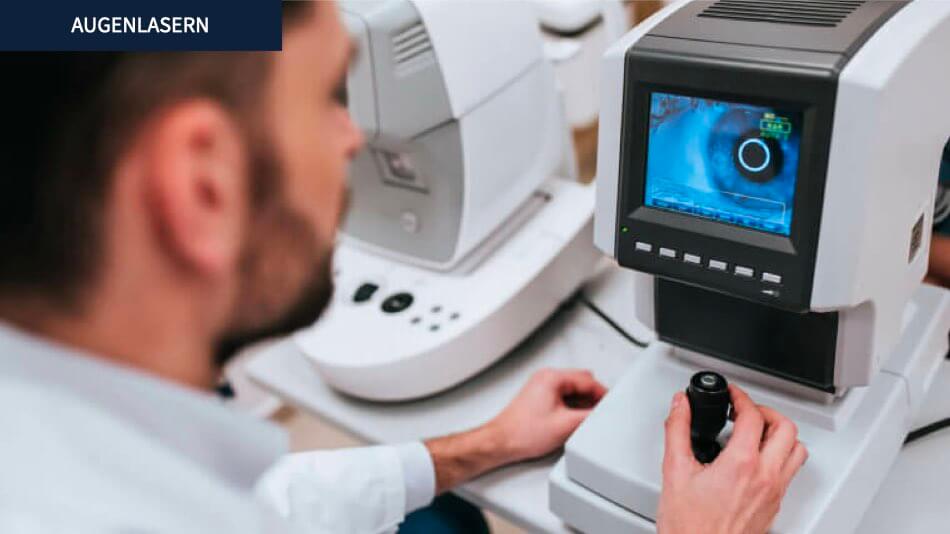
Die Diagnose stellt in der Regel ein Augenarzt, indem er den hinteren Bereich des Auges untersucht.
Er betrachtet dabei die Netzhaut mittels einer Augenspiegelung. Dazu verabreicht der Arzt Augentropfen mit einem Mittel, das die Pupille erweitert, bevor er das Auge über ein Vergrößerungsglas kontrolliert. Mithilfe von Licht kann er den hinteren Bereich ausleuchten und Veränderungen auf der Netzhaut erkennen.
Hat diese sich gelöst, sind zum Beispiel meist graue, Falten sichtbar. Auch Risse und Löcher sind so deutlich zu erkennen. Der Augenarzt kontrolliert meist beide Augen, selbst wenn der Patient die Symptome nur an einem Auge wahrnimmt. Oftmals liegen auch Veränderungen an der Netzhaut des scheinbar gesunden Auges vor, die nicht selten eine Vorstufe zur Netzhautablösung darstellen.
Diagnose Netzhautablösung – Welche Möglichkeiten zur Behandlung gibt es?
Entdeckt der Augenarzt bei der Diagnose Löcher oder Risse in der Netzhaut können diese mittels Augen lasern behandelt werden. Dabei werden undichte Stellen mittels “verschweißen” verschlossen. Dies funktioniert allerdings nur, wenn sich die Netzhaut noch nicht abgelöst hat.
Hat sich die Netzhaut bereits abgelöst, ist eine Operation notwendig. In der Regel wird eine Plombe eingesetzt oder bei mehreren Löchern ein Band um den Augapfel gelegt. Die Flüssigkeit, die sich unter der Netzhaut befindet, wird mittels Punktion entfernt. In seltenen Fällen kann es auch notwendig sein den Glaskörper zu entfernen.
Ist die Ablösung Folge einer Grunderkrankung, wie beispielsweise eines eventuellen Tumors oder einer Entzündung, wird diese gesondert behandelt. Eine Netzhautablösung kann also nicht medikamentös behandelt werden, sondern erfordert zwingend eine Operation. Nur dann besteht eine Heilungschance von 95%.
Um Spätfolgen zu vermeiden und den Heilungsverlauf nach einer Anheftung der Netzhaut zu verbessern, sollte die OP bei einer Netzhautablösung so schnell wie möglich bei einem erfahrenen Facharzt erfolgen. Umso weiter fortgeschritten die Erkrankung ist, desto schwieriger ist die Behandlung.
Über die Behandlungsmöglichkeiten, Vorteile und Risiken der einzelnen Methoden informiert Sie der Augenarzt. Spätestens ab dem 40. Lebensjahr sollten Sie, auch ohne Symptome mindestens einmal jährlich einen Kontrolltermin zur Vorbeugung einer Netzhautablösung vereinbaren.