
Behaviour after laser eye surgery: healing, sports and driving
Successful laser eye treatment does not end with the procedure. The right behaviour supports healing and helps to stabilise the treatment result.
The first 24 hours – Behaviour after laser eye surgery
Laser eye treatment to correct defective vision – for example with SMILE® Pro, Femto-LASIK or the PRK and LASEK surface procedures – does not end with the procedure.
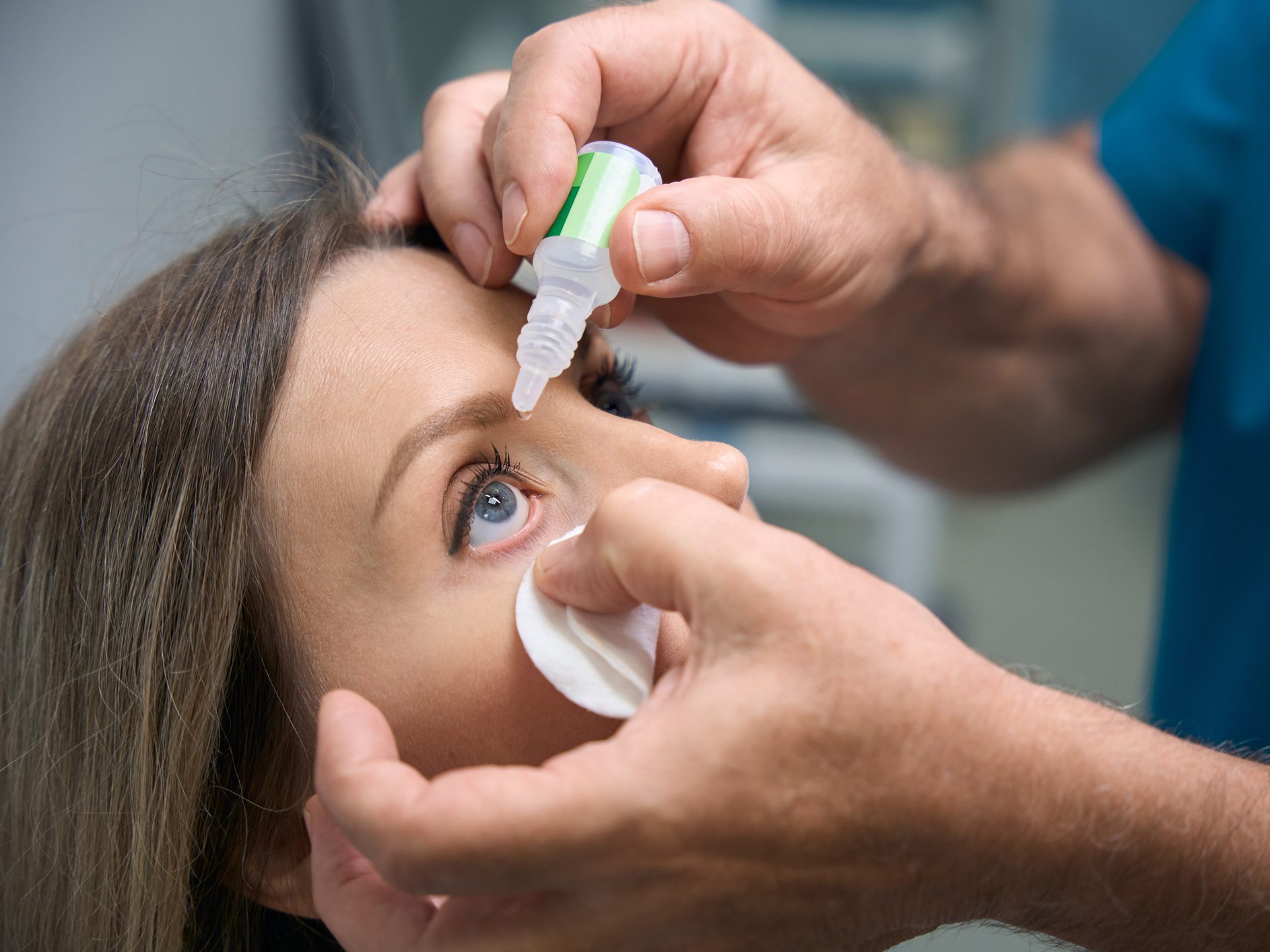
Doctor-medic Liliana and Dr. med. Daniel Bányai and her Neue Augen team will accompany you through the healing phase. Mild tears, burning or a foreign body sensation are possible in the first few hours. Use the prescribed eye drops according to the drip schedule and ensure careful hygiene.
In PRK or LASEK, a dressing lens protects the cornea; it is usually removed after about five days during the check-up and must not be removed yourself. In the event of severe or increasing complaints, please contact the practice team.
“Although a laser procedure such as SMILE® Pro (ReLEx SMILE) often only takes around 10 seconds per eye, the eye is a healing organ afterwards. It is best to treat your eyes to closed eyelids and sleep on the day of treatment. You should completely refrain from watching TV, reading or using smartphones on the day of the operation, as the reduced blinking frequency dries out the eye.”
– Dr. med. Daniel Bányai
Healing process and follow-up checks
How quickly the healing process and the final vision stabilize depends on the chosen procedure and the individual healing time. With precise methods such as SMILE® Pro or Femto-LASIK, many patients achieve about 80 to 90 percent of their full vision the day after treatment.
PRK and LASEK, on the other hand, require a little more time for the complete regeneration of the uppermost corneal layer.
In the laser centres of Bányai Neue Augen in Stuttgart and Karlsruhe, structured follow-up examinations ensure the success of the treatment:
- Follow-up day 1: Checking wound healing and deciding whether driving is already possible again.
- Follow-up week 1: Visual acuity check and adjustment of eye drops. In the case of PRK/LASEK, the removal of the dressing lens is also carried out here.
- Follow-up Month 3: Final assessment of the final result.
What is allowed after laser eye surgery?
| Behavior | SMILE® Pro / Femto-LASIK | PRK / LASEK |
| Rub eyes | avoid | avoid |
| Screen work | often possible from the following day | depending on the healing process |
| Reading and Smartphone | first reduce; depending on complaints and medical recommendation | depending on the healing process, often longer rest period |
| Television | avoid as much as possible on the day of the operation; then slowly increase | on the day of surgery; then depending on the healing process |
| Alcohol and smoking | avoid as much as possible in the early healing phase | avoid as much as possible in the early healing phase |
| Showers | Keep eyes closed | Keep eyes closed |
| Swimming / Sauna / Diving | only after medical approval | usually a longer break |
| Eye Makeup | only after approval | only after approval |
| Driving | only after inspection and approval | only after inspection and approval |
| Sports | light sport after approval | longer break possible |
| Air travel | depending on control and progress | depending on control and progress |
The table serves as a guide. The attending ophthalmologist determines when individual activities are allowed again.
Work, sick leave and everyday life
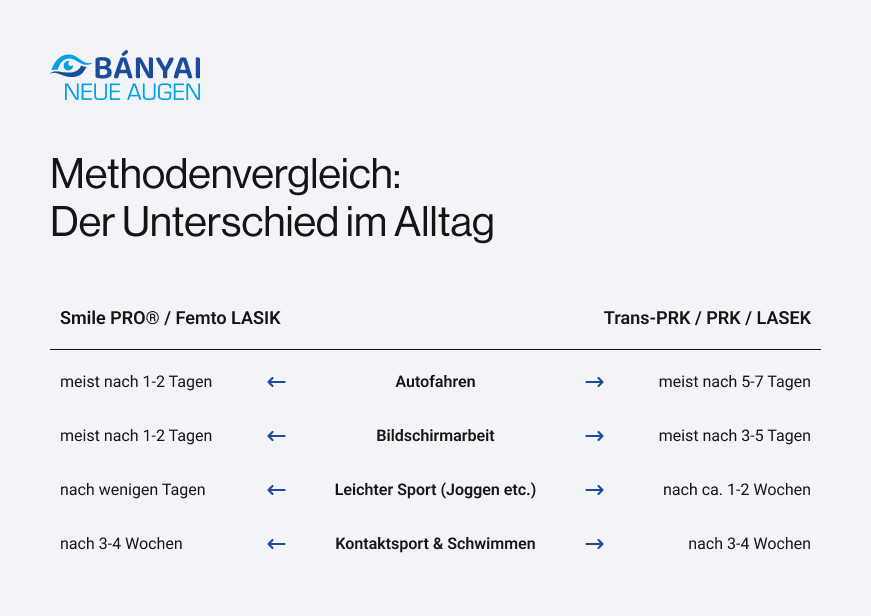
How quickly you can return to work depends on the procedure being treated, your healing and the nature of your activity. In the case of an activity without physical strain and with little screen work, it is often possible to return the next day or after a few days. During physical work, dust, wind or high visual stress, a longer break may be necessary.
Whether and for how long a sick leave is required, discuss individually with your attending ophthalmologist. Decisive are the follow-up and the medical approval – not just a general guideline.


Pain and warning signs after the procedure
Mild burning, tears, foreign body sensation and transient photosensitivity may occur in the first hours after the procedure. Use the prescribed eye drops according to the individual drip schedule and protect your eyes.
In the event of severe or increasing pain, a significant deterioration in vision, pronounced redness or other unusual symptoms, you should contact the practice team immediately. In this case, do not wait until the next regular inspection date.
Occupation, Sports, Driving and Travel
The return to everyday life usually succeeds quickly. Screen work is usually possible again from the second day – the 20-20-20 rule (looking into the distance every 20 minutes for 20 seconds) also protects dry eyes.
Driving is prohibited on the day of treatment and only allowed again after approval during the follow-up checks.
Light exercise such as jogging is safe after a few days, contact and water sports should take a break of about four weeks. In dusty or windy outdoor conditions, protective glasses are also recommended, as well as high-quality sunglasses with protection against UV radiation and increased sensitivity to light.
Air travel is usually no problem either: after Femto-LASIK or SMILE® Pro, we often recommend waiting one to two days for PRK or LASEK until the follow-up check has taken place in week 1.
Take enough eye drops with you when travelling, as the dry cabin air is an additional burden.


Reading, TV and mobile phone after laser eye surgery
On the day of treatment, you should protect your eyes as much as possible and refrain from reading, watching TV and using your smartphone and computer. In the following days, you can gradually resume these activities, unless you experience more severe symptoms.
For dry or light-sensitive eyes, you should first limit screen time, blink frequently, and take regular breaks. When reading and screen work are fully possible again depends on the procedure and your individual healing.
Alcohol and smoking after laser eye surgery
In the early healing phase, you should avoid alcohol and smoking as much as possible. Alcohol can make regular use of prescribed eye drops more difficult. Smoke and other irritants can put additional strain on the eyes and increase discomfort such as dryness or burning.
How long you should abstain depends on the treatment procedure and your healing process. During the follow-up check, ask when alcohol and smoking are acceptable again in your individual case.
Reviewed by Doctor-medic Liliana-Iulia Bányai
With over 50,000 successful surgical procedures, the experienced team at Bányai Neue Augen specializes in eye surgery. Thanks to ongoing professional development and training, you can be confident you are in exceptionally competent hands.
Doctor-medic Liliana-Iulia Bányai & Dr. med. Daniel Bányai

More about laser eye surgery
-

Stye Home Remedies: 10 Natural Tips for Relief – Bányai Augenheilkunde
Everyone knows it, everyone hates it: the stye. Those small, stubborn, painful bumps on the eyelid. Styes can often be treated effectively with simple home remedies. In this article, I’ll introduce 10 natural home remedies and tips to help with styes.
-

Stye (Hordeolum), what now?
A stye (hordeolum) is an unpleasant inflammation on the eyelid. Learn all about the causes, symptoms, treatment and why you should never express a grain of stye!
-
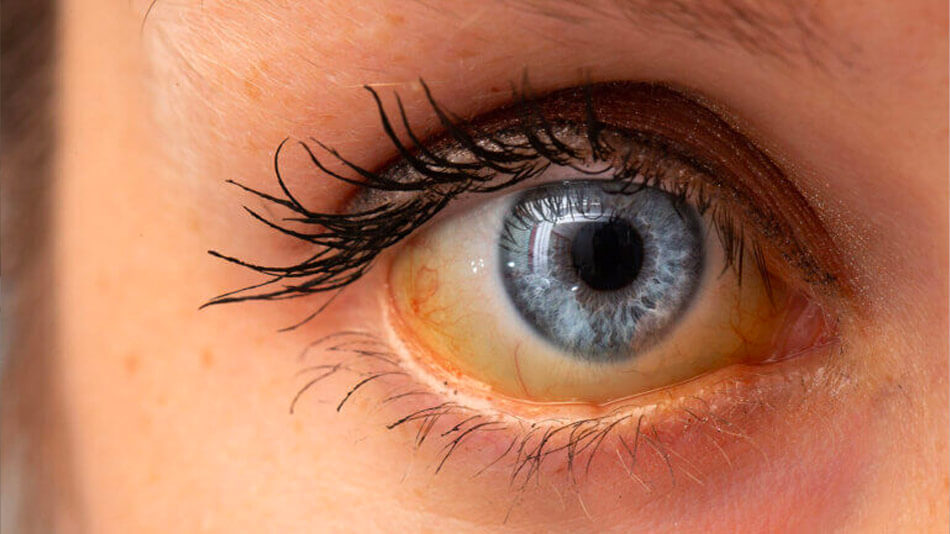
Yellow Eyes: Causes and What They Reveal About Your Health
Yellowing of the eyes can have different causes. Certain medications, a number of medical conditions, and in most cases yellow eyes are due to jaundice. Learn more about this in the following post!
Frequently Asked Questions (FAQs) about post-laser behavior
With modern, minimally invasive procedures such as SMILE® Pro or Femto-LASIK, visual acuity is often around 80 to 90 percent the day after the procedure. A complete stabilization of vision occurs in the first weeks to three months after surgery.
In the first two weeks, do not rub your eyes! As a result, the flap could be shifted during LASIK. If this happens accidentally and pain or visual impairment occurs, contact our practice team immediately.
You should completely refrain from swimming pools, whirlpools, diving and saunas for three to four weeks to avoid the risk of infection by germs in the water.
You should refrain from applying make-up and using eye make-up for at least two weeks so that no fine particles get into the eye.
Wear sunglasses with UV protection outdoors and consistently use the prescribed eye drops. In the event of persistent dryness, e-eye therapy is available in our centres.
Those who consistently adhere to the guidelines from the preliminary examination and treatment – such as the drip schedule, the absence of rubbing the eyes or the recommended breaks during sports and swimming – optimally support the healing process. In this way, you benefit in the long term from a significantly reduced dependence on your previous vision aid.
A sick leave depends on the procedure, the course of healing and your professional activity. In the case of an activity without physical strain, it is often possible to return after a short time. During physical work, dust, wind or intensive screen work, a longer break may be necessary. The attending ophthalmologist decides this individually.
On the day of treatment, you should avoid reading and smartphone as much as possible. After that, you can gradually increase the use, as long as there are no more severe complaints. For dry or light-sensitive eyes, short screen times and regular breaks help. The specific recommendation depends on the procedure and the follow-up.
In the early healing phase, you should avoid alcohol and smoking as much as possible. Both can put additional strain on the eyes or make it more difficult to provide consistent aftercare. Please discuss how long the waiver is required during the follow-up inspection.
Slight discomfort may occur in the first few hours. Use the prescribed eye drops according to the drip schedule and protect your eyes. In the event of severe or increasing pain, significant visual impairment or unusual symptoms, contact the practice team immediately.
This article relates to laser eye treatments to correct defective vision, for example with SMILE® Pro, femto-LASIK, PRK or LASEK. After a secondary cataract treatment, other recommendations apply, as it is a different procedure. Your attending ophthalmologist team will inform you individually about behaviour, eye drops, sports, driving and follow-up checks after a secondary cataract treatment. Please do not automatically transfer the time information from this post to a secondary cataract treatment.