
Number of spectacle wearers increases sharply
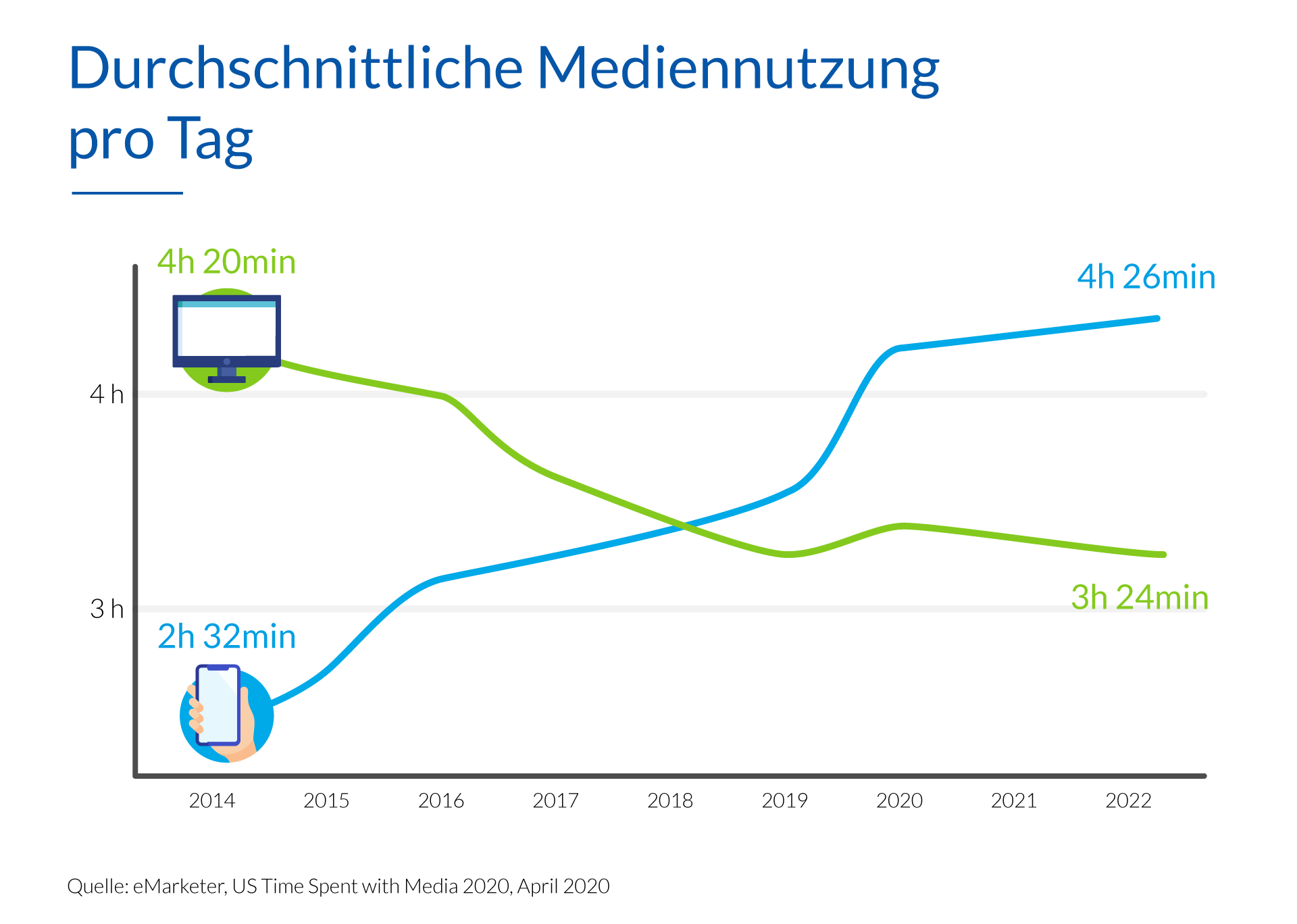
We spend much of our lives looking at screens and smartphones. Children already spend several hours a day in front of the computer or tablet. This has consequences for health: more and more people around the world are wearing glasses.
The proportion of spectacle wearers has grown very strongly in recent years and Asian industrialized countries in particular report an increase in myopia of up to 80 percent.
Researchers cite a link between screen work and defective vision as the reason for this. Due to working on the screen for a long time, more and more people see less and less sooner.
In this article, you will learn everything about the relationship between screen work and myopia, as well as the preventive options with your specialist and the treatment options for myopia.
Do smartphones cause short-sightedness?
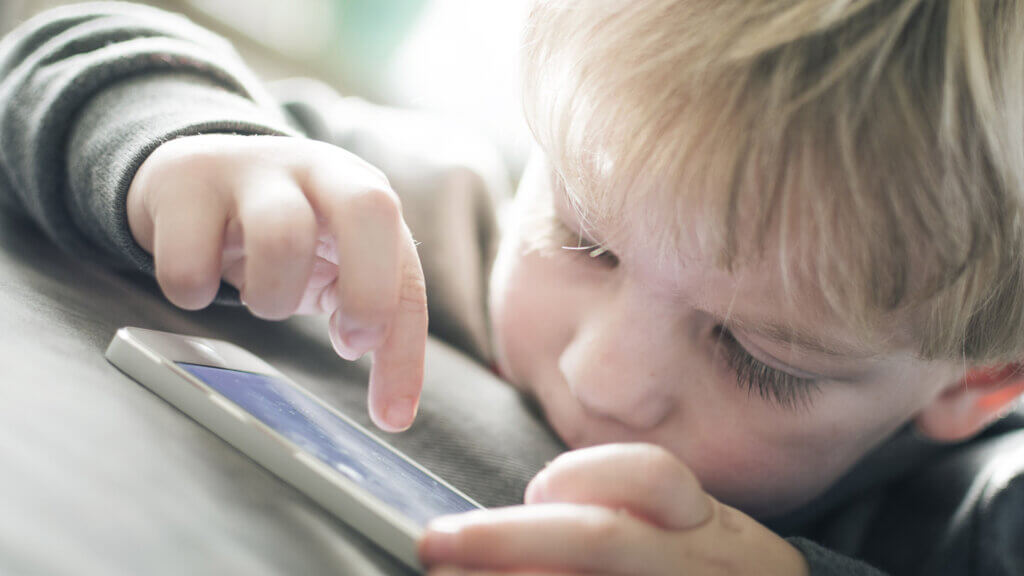
More and more people are short-sighted, even at primary school age. This has its reasons: The smartphone is part of everyday life for most adults and is used by children as a digital toy.
While nearsightedness used to only become an issue in the second half of life, recent studies show that more and more young adults are also affected by nearsightedness.
More than half of high school graduates and university graduates today are short-sighted.1 More and more doctors are warning about the connection between myopia (myopia) and the use of smartphones and the resulting lack of time outdoors and in daylight.
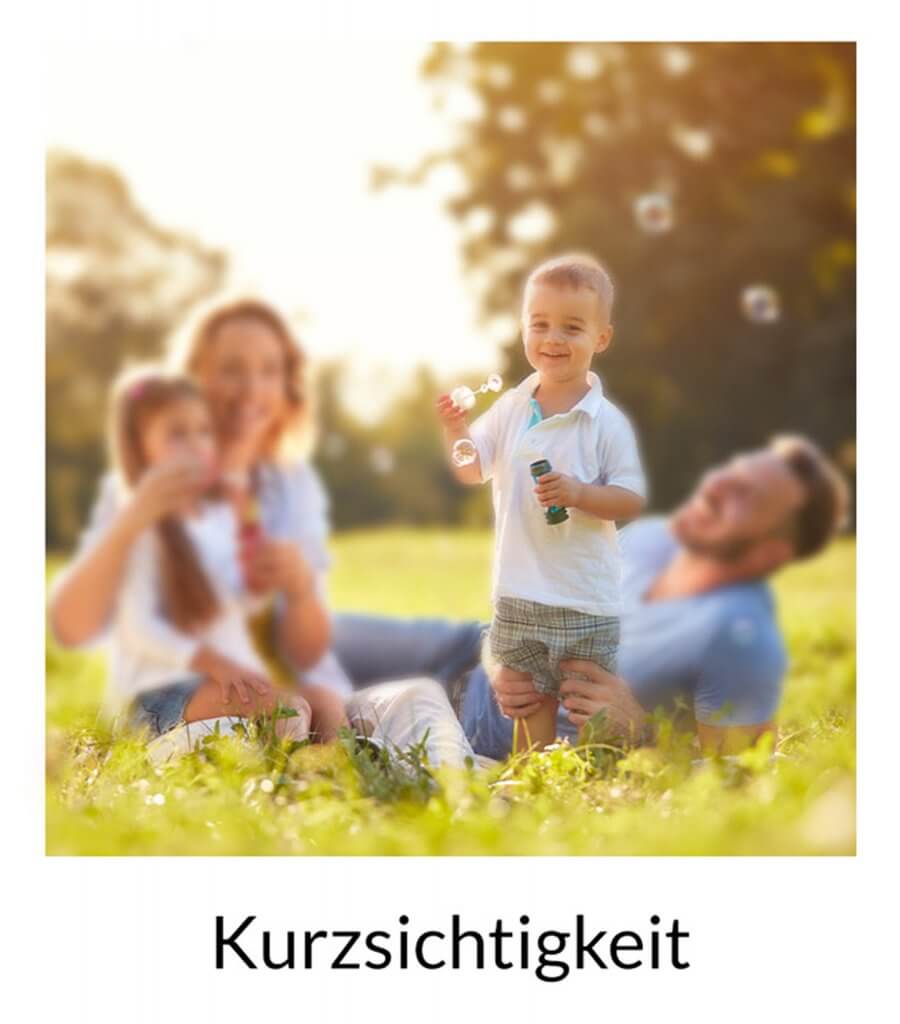
This has consequences: If the eye has to constantly look and focus nearby, the eyeball grows in length. While objects in the vicinity are seen sharply, objects in the distance can only be perceived blurred: short-sightedness develops.
However, if children spend too much time in front of the screen, you can counteract: Explain to them at an early stage what the consequences of excessive mobile phone consumption or too much time in front of the screen can be.
Spend a lot of time with your children outdoors, leave the smartphones off the table during meals, and lead by example, especially as adults.
Screen work leads to increased short-sightedness
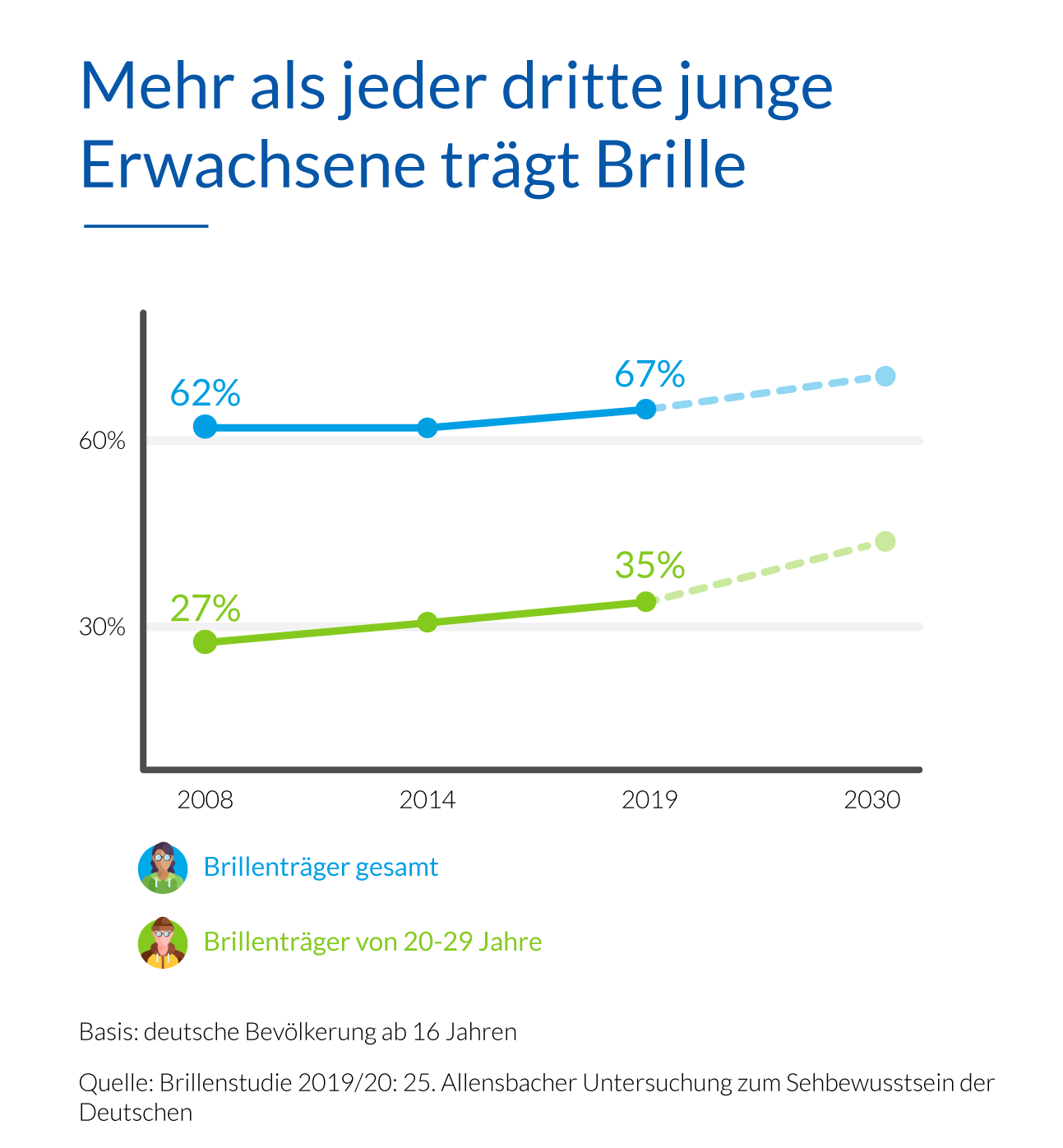
Short-sightedness also affects more and more young people. The number of people who are short-sighted is increasing, especially between the ages of 20 and 30. Studies show that visual impairment is mainly caused by screen work and the long stare at a screen.
The Allensbach Institute for Demoscopy’s glasses study concludes that in 1952 only 13 percent of 20 to 30-year-olds needed glasses, compared to 35 percent in 2018. According to the eyewear study of 2019/2020, 2 out of 3 people in Germany already wear glasses as a visual aid. 2
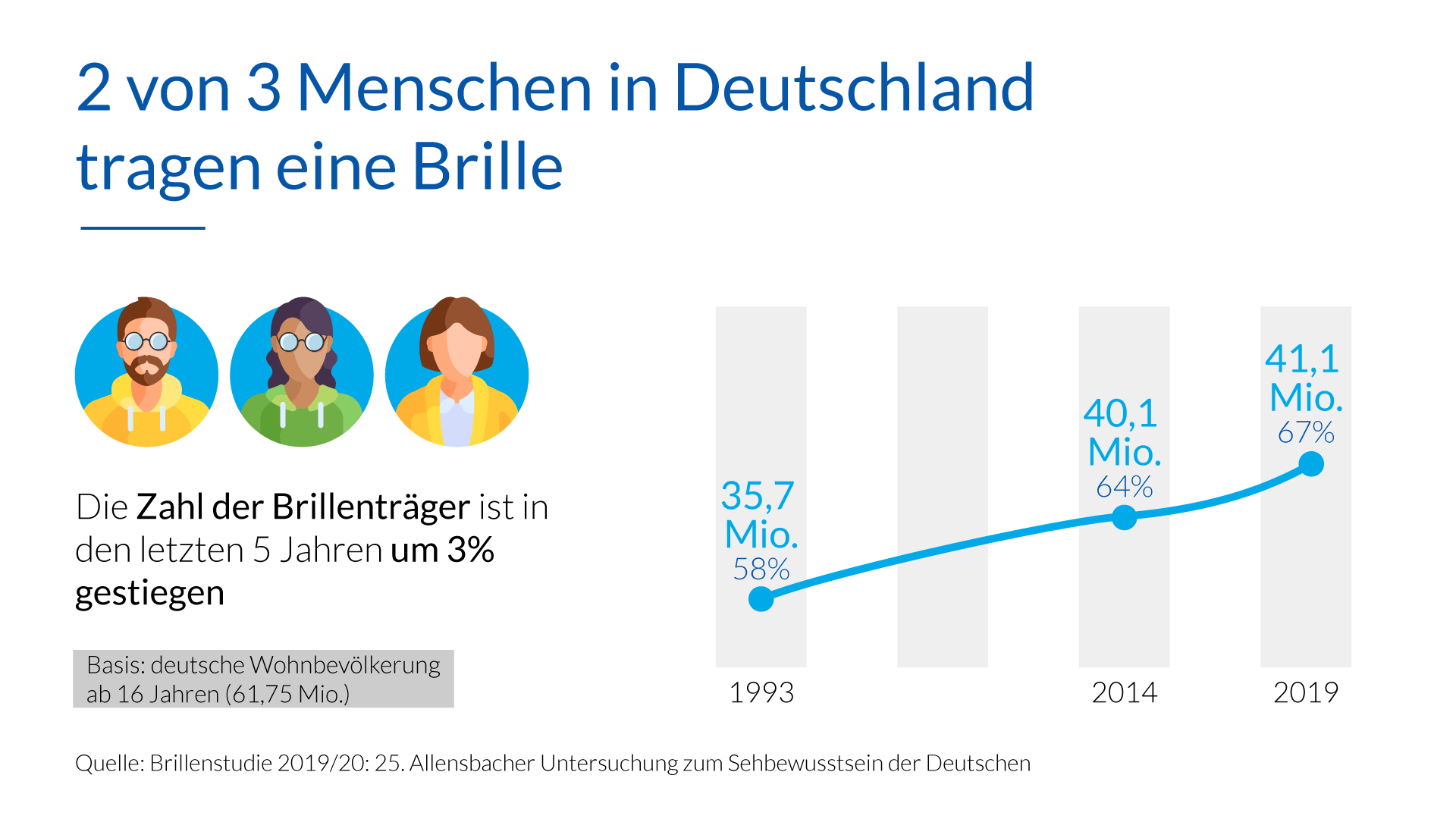
Myopia is therefore no longer a phenomenon of the ancients, but rather a symptom of our digitized world.
Short-sightedness increases with higher level of education
According to studies, the level of education and a higher number of school years are associated with more frequent occurrence and increased severity of myopia. These are the findings of a scientific study by the Mainz University Medical Center, which examined the relationship between education and myopia.
Accordingly, behaviour and education have a greater influence on refractive errors than genetic factors. The study also shows that in recent years, for example, shortsightedness has increased by up to 80 percent in industrialized Asian countries.
Factors such as leisure and lifestyle, i.e. close work such as reading or computer work, as well as higher education play a major role in this.
The study results show that the higher the level of education, the more common myopia is: while 24 percent of the short-sighted had no education or higher education, 35 percent of the study participants with a high school diploma or vocational qualification were short-sighted.
Among university graduates, the number of normal-sighted participants was even lower: 53 percent of university graduates had short-sightedness.3
Danger to children and adolescents
While children are usually still normally sighted at the end of kindergarten, this often changes at the start of school. However, it is advisable to have your child’s eyes tested at the latest from the age of 3.
In Germany, 90 percent of short-sighted children experience myopia after starting school, usually between the ages of 8 and 15. That is why we speak of school myopia. In Asian countries, the rate of myopia at school leaving is already 90 percent.
More and more children are already short-sighted at a young age and are losing their visual acuity – especially in richer countries and regions. Short-sightedness thus becomes a disease of prosperity, not only in Germany.
This is also proven by one of the largest scientific studies from China comparing two provinces. She concludes that more children from high-income regions are short-sighted, regardless of the time they spend reading and in daylight or of genetic factors.
The results of the study make a connection with the fact that in poorer regions books are often too expensive for families. As a result, the children learn a lot from the board. This lack of textbooks can have a positive effect on children’s vision, according to study results.
Daylight reduces short-sightedness
If your child spends too much time in close-up work on the screen, they are more likely to become short-sighted and therefore have to wear glasses for life. As a parent, you can prevent: make sure your child spends enough time in the fresh air and limit screen time.
Scientific studies of children and young adults in Denmark and Asia have shown that more time outdoors and a higher dose of daylight can reduce the development of myopia.
It is recommended, especially for children and adolescents, to spend at least 15 hours a week outdoors and a maximum of 30 hours reading, watching TV, on a computer or smartphone.
Help with myopia – what can be done?
If you find that your vision in the distance is getting worse and worse, you should first take an eye test to determine your vision. This is fast and uncomplicated. During an eye test, the ophthalmologist or optician examines how well your eyes can see in the distance and nearby.
You must recognize and describe letters or characters of different sizes with one eye each. This makes it easy to determine whether you are nearsighted and, if so, how severe your nearsightedness is. You can also take an online eye test, but this does not replace a visit to the ophthalmologist or optician.
Short-sightedness is not curable in itself, but you can improve your short-sightedness: glasses with distracting lenses are a quick way to compensate for visual impairment. Your optician can adjust a visual aid based on your diopter values or you can have your eyes lasered in a surgical procedure.
Laser eye treatment is a long-term method of regaining original vision and blurred vision is history.
Eye lasers as a long-term solution
Laser eye surgery is the only way to permanently correct your myopia. This involves laser correction of the cornea. The cornea is the foremost part of your eye. There, light rays arrive, which are focused through the pupil and lens onto the retina and produce a sharp image.
Short-sightedness occurs due to a long eyeball and/or when the corneal curvature is too steep. As a result, the focal point (the point where the incident light beams meet) is in front of the retina and the image for distant objects is blurred.
The curvature of the cornea is flattened by lasers. This way, the focal point comes back exactly to the retina and you can see objects in the distance again sharply.
There are different refractive options for laser treatment of your eyes. One of these is the LASIK method – as it is also carried out in our eye laser centre in Stuttgart and eye laser centre in Karlsruhe: a corneal lobe is formed and pushed to the side. The cornea is removed and then the lobe is brought into its original position.
Refractive lens replacement refers to those methods in which the complete lens is replaced . However, very severe myopia can influence the result of these methods and lead to reduced visual quality or poor visual contrast. In cases of severe nearsightedness, the use of a special contact lens placed in the eye may be an alternative.
The glasses as a quick solution
If you do not want to opt directly for the laser treatment of your nearsighted eyes, glasses are just the right solution for you. The number of shortsighted people and thus the wearer of glasses is increasing and so glasses are no longer a blemish, but rather a fashion statement on the face.
In times of social media and selfies, it has become a sign of self-expression on many channels. The range of glasses is huge and the trends range from large, eye-catching to colourful or round glasses to golden models.
In addition to glasses as a fashion statement, eyeglass wearers still face problems from time to time. During sports, for example, it can sit badly, strong temperature differences can make it fog up and the mouth guard for spectacle wearers can become a problem. If you disturb these points too much, you can of course simply switch to contact lenses.
How does myopia develop? Causes and symptoms
Ophthalmology generally distinguishes between nearsightedness and farsightedness: the form of nearsightedness is either acquired or congenital. Basically, two causes of myopia are responsible.
While the eyeball is too long in axial myopia, the refractive power of the eye lens is too high in refractive myopia. In this case, the refractive power of the eye is damaged, since the focal point is in front of and not on the retina. Both forms can also occur at the same time. With nearsightedness, you can see things that are further away, blurred and blurred.
In addition to nearsightedness, there is another form of refractive error, namely farsightedness (hyperopia). The symptoms vary with farsightedness: if you are farsighted, you perceive objects or people nearby blurred, but sharp in the distance.
The eye muscles are strongly challenged. Many people use reading glasses to compensate for this visual defect in order to be able to see clearly in the vicinity.
The extent of refractive error is determined by a refraction determination and indicated in diopters. They indicate the unit of measurement for the refractive power. Using the dioptres (DPT), the optician can determine the strength of the lenses and determine how far-sighted or short-sighted you are.
In the case of nearsightedness, the diopters are given in the minus range (-dpt), in the case of farsightedness in the plus range (+dpt).
A distinction is made between nearsightedness and:
- mild myopia, glass thicknesses up to -3 dpt
- medium myopia, glass thicknesses between -3 dpt and -7 dpt
- high myopia, glass thicknesses from -8 dpt to -20 dpt
With regard to spectacle lenses, this is also referred to as minus lenses and plus lenses.
Dangerous blue light?
Smartphones, computer screens and other technical devices emit blue light or high-energy blue light (HEV light for short). Until now, it was assumed that blue light in high amounts can cause eye diseases, sleep and concentration disorders.
However, experts give the all-clear. Vision researcher Prof. Dr. Michael Bach from the University Hospital Freiburg said the following in a press conference in autumn 2021: “The light intensity when using electronic devices is far too low to cause retinal damage to the eyes. Even if children sit in front of screens for hours, at least blue light eye damage is not to be feared.”4
There are now two types of glasses that filter out blue light: the blue filter glasses or the blue light glasses. Blue light filter glasses only allow light to pass above a certain frequency range and usually have yellow-orange lenses. Blue light glasses, on the other hand, are less conspicuous and only allow blue light to pass through to a reduced extent.
Dry eyes and short-sightedness
More and more people report dry eyes as a complaint during the examination at the ophthalmologist. Dry eyes can be very uncomfortable and even lead to vision problems. If you suffer from dry eyes, your eye either forms too little tear fluid or the tear film evaporates too quickly.
Dry eyes can have the following causes:
- Screen work
- Draft
- too dry air due to heating or air conditioning
- Smoking and passive smoking
- certain medications such as birth control pills, allergy medications, and antihypertensives
- Autoimmune diseases such as Sjögren’s syndrome/Sicca syndrome
Dry eyes can also lead to myopia: if the tear fluid is not sufficiently present in the eye in the long term, this can cause problems.
Lacrimal fluid not only ensures clear vision, keeps the eyelids supple, but also flushes out foreign bodies and has a germicidal effect. It also provides the cornea with nutrients and oxygen.
So if your eyes are always dry, you can get an infection more easily. They risk serious damage to the cornea and impairments of vision, such as myopia.
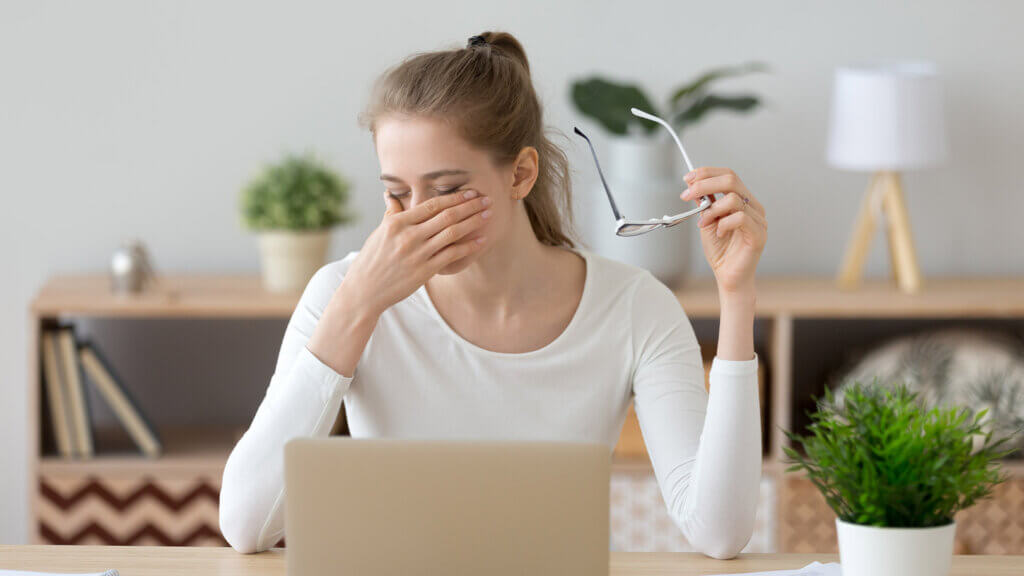
What are screen glasses?
Screen glasses – also known as screen workplace glasses – are a visual aid adapted by the optician for working in front of the screen. The screen glasses are special varifocal glasses, the lenses of which are divided into three areas. It has a large visual range for short and medium distances and can thus improve your nearsightedness.
- The lower glass area ensures sharp vision at close range (up to 50 cm).
- The central area of the lenses provides a clear view of the screen (50 to 100 cm).
- The upper area of the screen glasses is used for viewing in the middle distance (1 to 3 m).
This allows you to recognise all areas of your workplace, such as the screen, keyboard or interlocutor, and your posture remains relaxed.
When it comes to the reimbursement of costs for a pair of work glasses, the following rules apply: The statutory occupational health and safety rules stipulate that the screen glasses are personal protective equipment at work.
This means that the employer is obliged to cover at least part of the costs. However, you will need a certificate from the occupational or company physician or from the ophthalmologist or optician.
What risks can short-sightedness cause?
Short-sightedness has become a new widespread disease and no longer begins with increasing age. A new pair of glasses alone is not enough to maintain the health of your eyes. In particular, regular check-ups with your specialist can help to maintain your eye health in the long term.
Short-sightedness, especially from -6 diopters, carries an increased risk of secondary diseases of the eye, such as retinal detachment. There is a correlation between the weakness of vision and the length growth of the eyeball.
The visual organ has a thinner wall and is therefore much more susceptible to damage such as retinal detachment.
If you have severe nearsightedness, you may experience degeneration at the edge of the retina. This creates a hole in the retina and it tears.
Typical symptoms or perceptions for incipient retinal detachment are:
- Shadow
- Flashes
- Sooty rain
If presbyopia or eye diseases such as cataracts (clouding of the eye lens) or cataracts (damage to the optic nerve) are added, early detection is your most important means of protecting your eyes. That is why annual checks by your specialist are indispensable if you want to maintain your vision into old age.
1 https://www.aerzteblatt.de/nachrichten/74481/Kurzsichtigkeit-durch-Smartphones-Bewusstseinsaenderung-notwendig
2 http://www.gutenberg-gesundheitsstudie.de/ghs/willkommen.html, 15000 respondents, period 2007-2017
3 https://www.uni-mainz.de/presse/61304.php