Eye light sensitivity – why am I so sensitive to light?

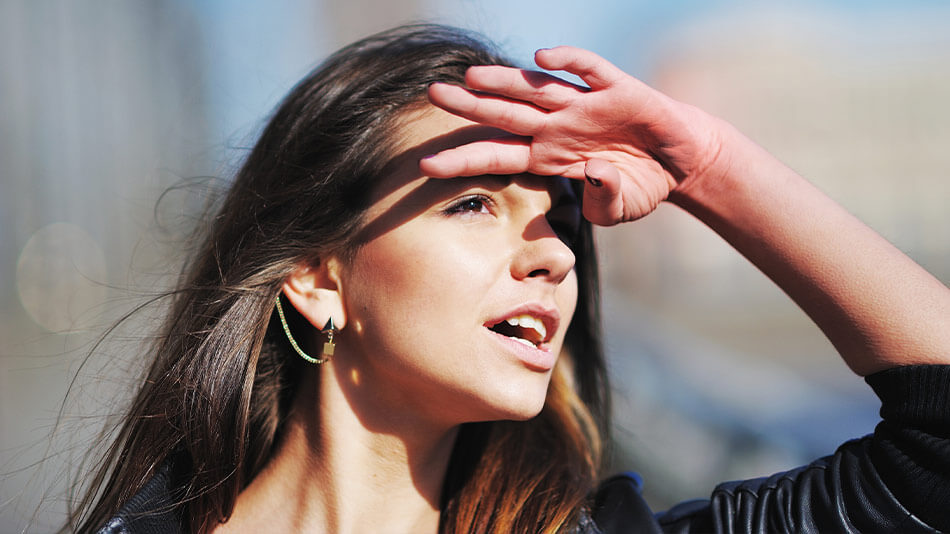
In technical language, photophobia “the fear of light” is also used as an expression for the light sensitivity of the eyes. In most cases, a sensory disturbance of the eyes, especially the cornea, is the cause.
Even with low light stimuli, the eyes are hypersensitive, so that walking outdoors is often no longer possible without sunglasses. But even with artificial light, the sensory disturbance is often noticeable. What causes these sensitivities and whether laser eye surgery is a useful treatment option is discussed in this article.
What are the symptoms of photosensitivity in the eyes?
The primary symptoms of photosensitivity are hypersensitive eyes, which are manifested by tearing, itching, redness and burning. Secondary headaches, migraines and dizziness may occur.
In very serious cases, stinging pain may occur in the eyes. In the absence of clarification or treatment, the problem can develop up to the loss of vision.
What diseases can cause photosensitivity in the eye?
When the nerve cords of the eyes react more strongly to the influence of light, this is called photophobia. The symptom can occur in various clinical pictures. This includes, for example, migraines, which can have a negative effect on your eyes.
But inflammation of the iris (rainbow skin) and corneal inflammation can also lead to photosensitivity. In addition, meningitis, other neurological diseases and various genetic defects can lead to hypersensitive eyes under the influence of light.
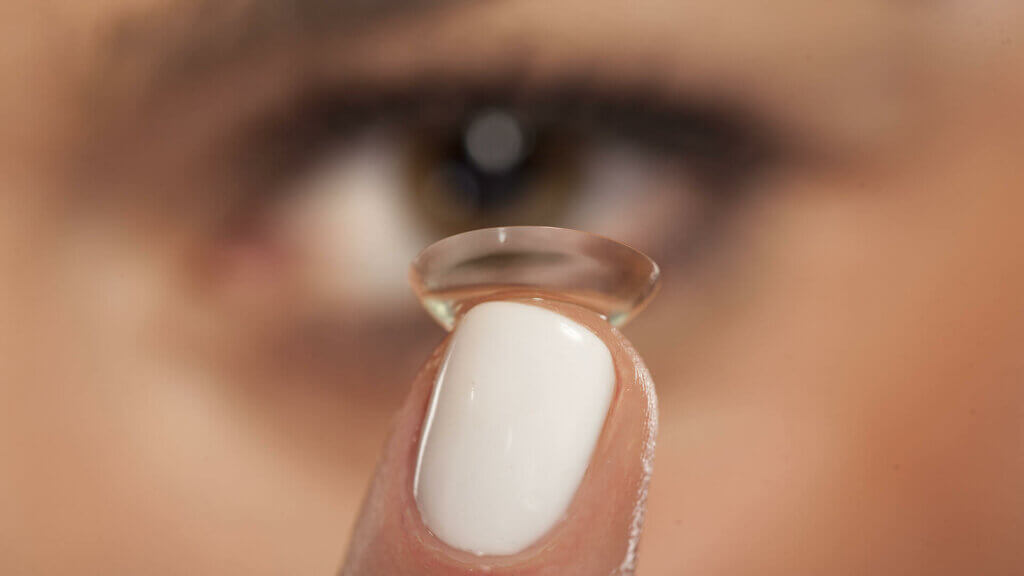
However, it is not only diseases that can cause eye sensitivity. Here, the choice of wrong contact lenses, a sunburn, dry eyes, fatigue or even minor injuries to the eye are enough.
Drugs and medications can also increase light sensitivity, so that light is perceived as extremely disturbing. These include, for example, cocaine and amphetamines. So there are many reasons, but in many cases it is only a temporary impairment.
These diseases can lead to photophobia:
- Dry eyes with a low tear film (Sicca syndrome)
- Corneal inflammation (keratitis)
- Rainbow skin inflammation (iritis)
- Inflammation of the choroid (uveitis)
- Green cataract (detect glaucoma early)
- Cataract
- Pupillary dilatation (mydriasis)
- Migraine
- Conjunctivitis
- and some more
What can I do about it?
In many cases, it is enough to avoid sunlight or other disturbing light sources. In the case of strong sun exposure, sunglasses are often enough. However, if severe and long-lasting symptoms occur, the sunglasses are no longer sufficient.
Depending on the cause, which must be determined by a doctor, different forms of therapy can be used. Often, the use of eye ointments, drops and gels is enough to soothe and moisturise the eye.
Not getting enough sleep can also make symptoms worse. Do you suffer from dark circles? For this reason, it is important to always rest your eyes sufficiently. Stress also increases the intensity of photophobia. Endurance sports and relaxation exercises can specifically prevent stress and thus counteract diseases such as migraines.
When do I need to go to the ophthalmologist?
Not always does a serious illness have to be behind the sensitivity of the eyes to light and frequent eye twitching. Sometimes a simple cold, in which this symptom may be present, is enough.
Once the acute phase is over, the symptoms of a migraine will subside on their own. However, if the photophobia lasts longer, a doctor should be consulted. Eye diseases must be treated professionally in any case. If you notice reduced vision, have pain or feel your vision is grayish, milky, then you should consult a doctor as soon as possible.
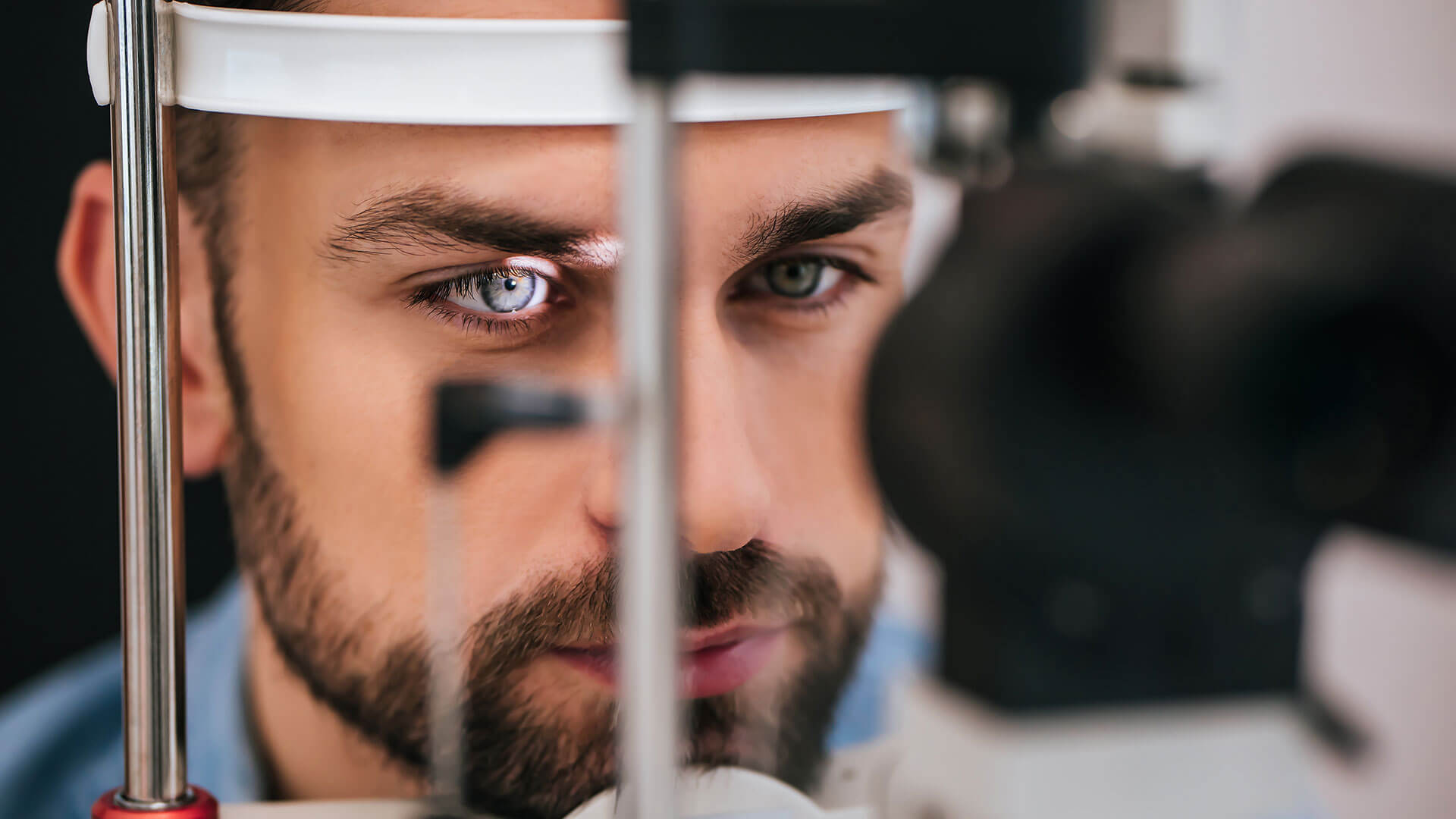
Is photophobia a sign of cataracts?
The “cataract” is also known as the age star. However, there are also other forms of cataracts. The disease is the clouding of the lens of the eye. Typical symptoms of the disease are blurred, grayish vision and, among other things, increased sensitivity to light, especially when driving at night.
In the dark, suddenly occurring glare, such as headlights on a country road, can be perceived as very disturbing. Many “cataract” patients can also be disturbed by sunlight.
Is laser eye surgery an alternative?
Only in a few cases will laser eye surgery with the desire for freedom from glasses eliminate the symptoms of photosensitivity. Therefore, it is not a form of therapy for classical photophobia and the clinical pictures that accompany it.
However, if an ophthalmologist detects a condition such as cataract, cataract surgery is the only effective way to eliminate photosensitive eyes and blurred vision. The following cataract symptoms begin gradually in old age and become progressively worse.