
Sensitive eyes – When headlights glare strongly!

Are the headlights of oncoming vehicles suddenly dazzling or is there a hypersensitivity to the lighting in the office or apartment? In this case, there may be hypersensitivity or photosensitivity. In technical language, this is referred to as photophobia or photophobia.
More precisely, this is a sensory disturbance of the eyes. Those affected are extremely sensitive to light. It does not matter here whether it is an artificial light source, i.e. a headlight, or a natural light source, such as the sun. The causes of photosensitivity can range from a simple cold to cataracts. Find out all about it in the following post!
Why am I suddenly so dazzled?
There are various causes of sudden photosensitivity when looking into the headlight. Thus, physical as well as psychological ailments can cause hypersensitivity to such light stimuli.
What exactly are halos?
The above-mentioned diseases can lead to so-called halos. These are light rings that those affected perceive around the light sources. The halos are a clear sign that have a light sensitivity due to glare from headlights or from the lamps in the office or in the apartment.
What could be the cause of the sensitivity of my eyes?
The most common cause of photophobia is an eye disease, but it can also be the side effect or a symptom of another disease. There may also be a neurological cause.
In addition, a simple cold can also be a reason for photosensitivity. Other reasons are:
- Flu or cold
- Migraine
- Headache
- Sensitivity to sunlight

Excessive sensitivity of the eyes can also be due to an eye disease. Such eye problems should definitely be diagnosed by an ophthalmologist. Since a possible eye disease can be the following:
Rarely, inherited disorders, such as optical neuropathies or scarring of the cornea due to vitamin A deficiency, can lead to halos.
Why is the view so cloudy?
One reason why vision can become cloudy and halos can develop is age. Because in old age, vision begins to diminish. Cataract symptoms in older age are not uncommon.
It often happens that a clouding of the lens occurs in old age. This is called cataract. Every second person suffers from it in the course of their life. Cataracts sometimes lead to an increased sensitivity to light.
Therefore, so-called photophobia can be an indicator that you are also developing a cataract.
Can my ophthalmologist do anything about it?
Since light-sensitive eyes do not always have a serious cause, such as a cold or flu or migraines or headaches, it is not necessary to visit a doctor immediately if halos occur from time to time – especially when such diseases are present. The reason for this is that in the event of a cold or the like, the symptoms will soon subside on their own or by taking medication or home remedies.
After the acute phase of these diseases is over, the halos also disappear again. In the event that the photophobia persists for a longer period of time and the restriction is thereby considerable, the ophthalmologist should be consulted. The ophthalmologist may discover an eye disease that needs to be treated by a specialist.
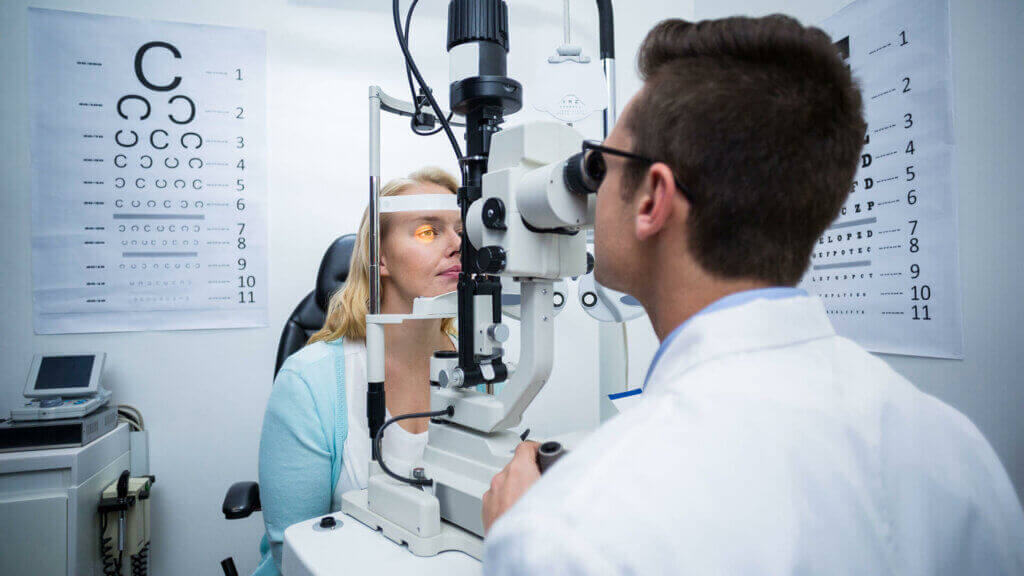
The ophthalmologist will then initiate the appropriate treatment. You should not wait too long to go to the doctor. Especially not if the halos are accompanied by visual pain. The doctor first takes a medical history and inquires about the extent of the complaints.
With the help of a slit lamp, the ophthalmologist checks the eye. If there is an eye disease, the ophthalmologist prescribes anti-inflammatory, analgesic or antibacterial drugs depending on the type of eye disease. If the photophobia has another cause, the ophthalmologist will issue a referral to an appropriate specialist.
In many cases, it is not enough to use drug therapy to get the symptoms under control. Therapy that includes both mind and soul, as well as the body, is often required.
Are there ways to remedy this?
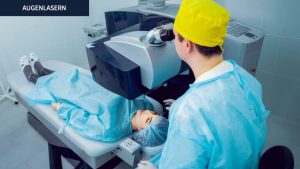
Depending on the cause, there are different treatment options. In some cases, medication is prescribed, in other cases even cataract lasers can be considered.
This shows why the patient is so sensitive to light. Through the diagnosis, our doctors also know which form of laser treatment is right for you.
Laser treatment is a very effective form of treatment and lasts a lifetime. In addition, cataracts can no longer occur after laser eye surgery and the vision of the affected person is completely restored.