What should you avoid after laser eye surgery?

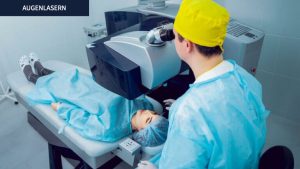
There are a few things you should avoid after laser eye surgery, even though the procedure is considered extremely safe. Laser eye treatment has changed the lives of millions of people and offers a permanent solution for refractive errors such as nearsightedness, farsightedness, and astigmatism. Although the procedure is very effective and provides a quick recovery, certain precautions are necessary to ensure optimal healing.
In this article, we explain what you should avoid after laser eye surgery.
1. Rubbing your eyes
One of the most important things you should avoid is rubbing your eyes. This can displace the corneal flap (in the case of LASIK) or irritate the eye and delay healing. Always resist the urge, no matter how itchy or uncomfortable your eyes may feel.
2. Swimming and water sports
Avoid swimming pools, whirlpools, and natural bodies of water for at least 1–2 weeks after surgery. These environments can harbor bacteria that may cause infections in the healing eye.
3. Wear makeup
Avoid wearing eye makeup for at least one week after the procedure. Makeup particles can interfere with the healing process and increase the risk of infection.

4. Participate in contact sports
Physical activities that carry a risk of contact with the eye should be avoided for at least one month. Sports such as football, basketball, or martial arts can damage the healing corneal tissue.
5. Neglecting eye protection
After surgery your eyes will be more sensitive to light, so sunglasses are essential when you’re outdoors. Wearing protective glasses at night can also prevent accidental rubbing or pressure on the eyes.
6. Expose your eyes to dust and smoke
Environments containing dust, smoke, or chemical fumes (e.g., construction sites) can irritate and damage your eyes while they are healing. It is best to avoid such environments until your eyes have fully healed.
7. Staring at screens for long periods
Although it is generally safe to use digital devices after surgery, staring at screens for extended periods can cause eye strain and dryness. Initially, take frequent breaks to rest your eyes.
8. Use eye drops without consulting a doctor.
Only use the medical eye drops prescribed by your surgeon. Avoid over-the-counter eye drops or any that have not been specifically recommended, as they may not be suitable for your eyes while they heal.
Aftercare following laser eye surgery: Follow your surgeon’s instructions
Your ophthalmologist will explain how you should behave after laser eye surgery. Adhering to these guidelines is essential for a smooth recovery. We want you to achieve the best possible vision and will provide detailed information about the period following your laser eye treatment. Always follow your surgeon’s specific advice and attend all follow-up appointments.
Take the next step
Would you like to find out whether laser eye treatment is suitable for you?
Begin with our online suitability test. You will receive an initial assessment of whether laser treatment could be an option for you. Answer a few simple questions (approx. 2 minutes) about your vision and any vision aids you have used.